Product Gallery

About
The preparation of immersion cooling fluids for data centers involves high technical barriers. [3] Taking patent CN202410058223.7 as an example, the cooling fluid comprises, by weight, 100 parts of mineral oil, 4.2–5.5 parts of nano thermal conductive particles, 12–18 parts of heat dissipation additives, 0.1–0.13 parts of antioxidants, 5.5–6.5 parts of flame retardants, 0.08–0.1 parts of defoamers, and 8–12 parts of diluents. Its preparation method includes two steps: first, vacuum-dry the nano thermal conductive particles, add heat dissipation additives and diluents, and mix uniformly via ultrasonic oscillation to obtain a premix; then, heat and mix the remaining raw materials, add the premix, mix uniformly, and vacuum-dry until the moisture content is no higher than 50 ppm, thereby obtaining the immersion cooling fluid. The heat dissipation additive is prepared by the addition reaction of vinyl silicone oil with diethanolamine, followed by esterification modification with difluoroacetic acid. It chelates with the nano thermal conductive particles, forming a stable thermal conduction channel of nano thermal conductive particles–silicon chain–nano thermal conductive particles within the cooling fluid, thereby enhancing heat dissipation performance.
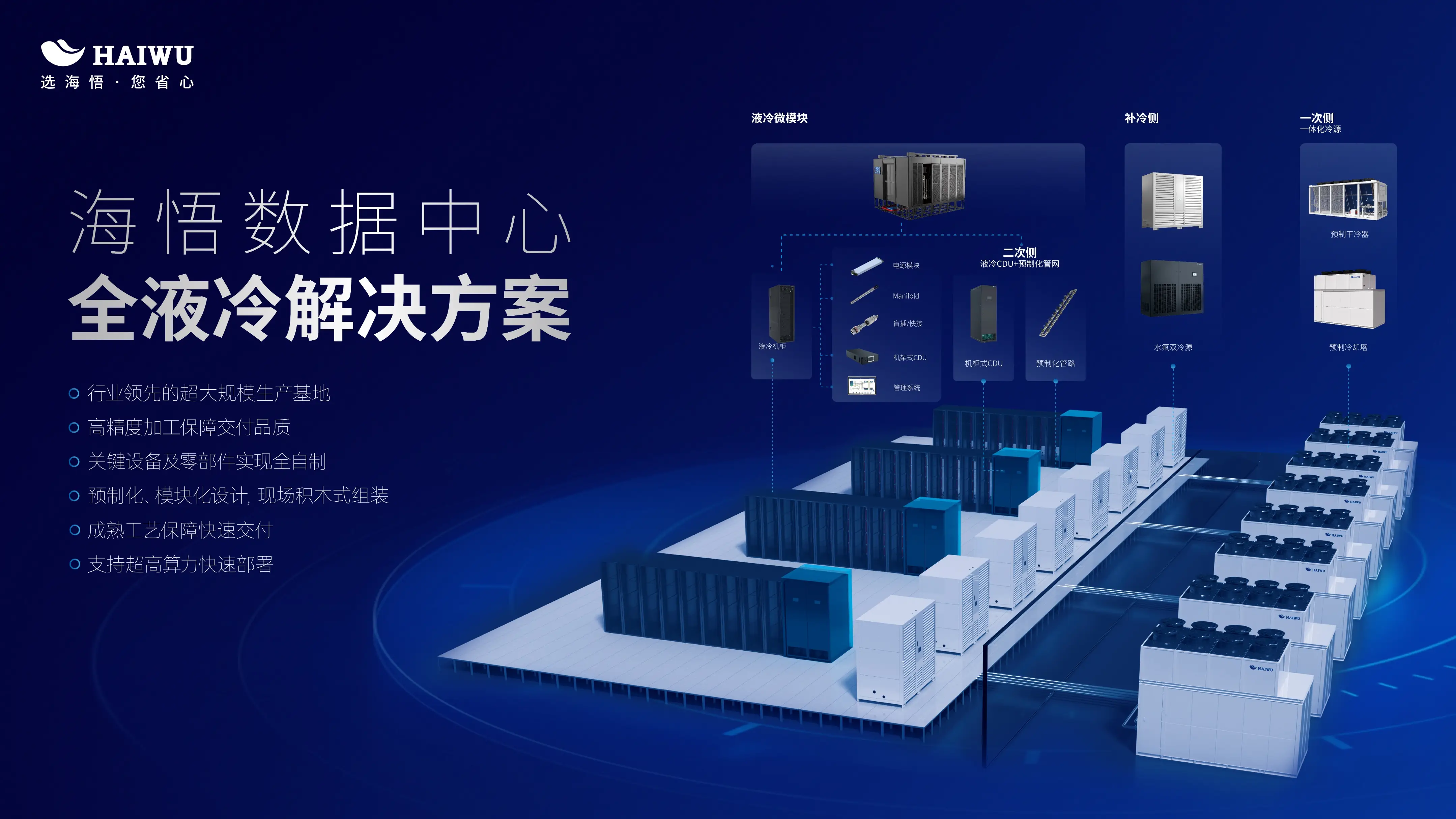
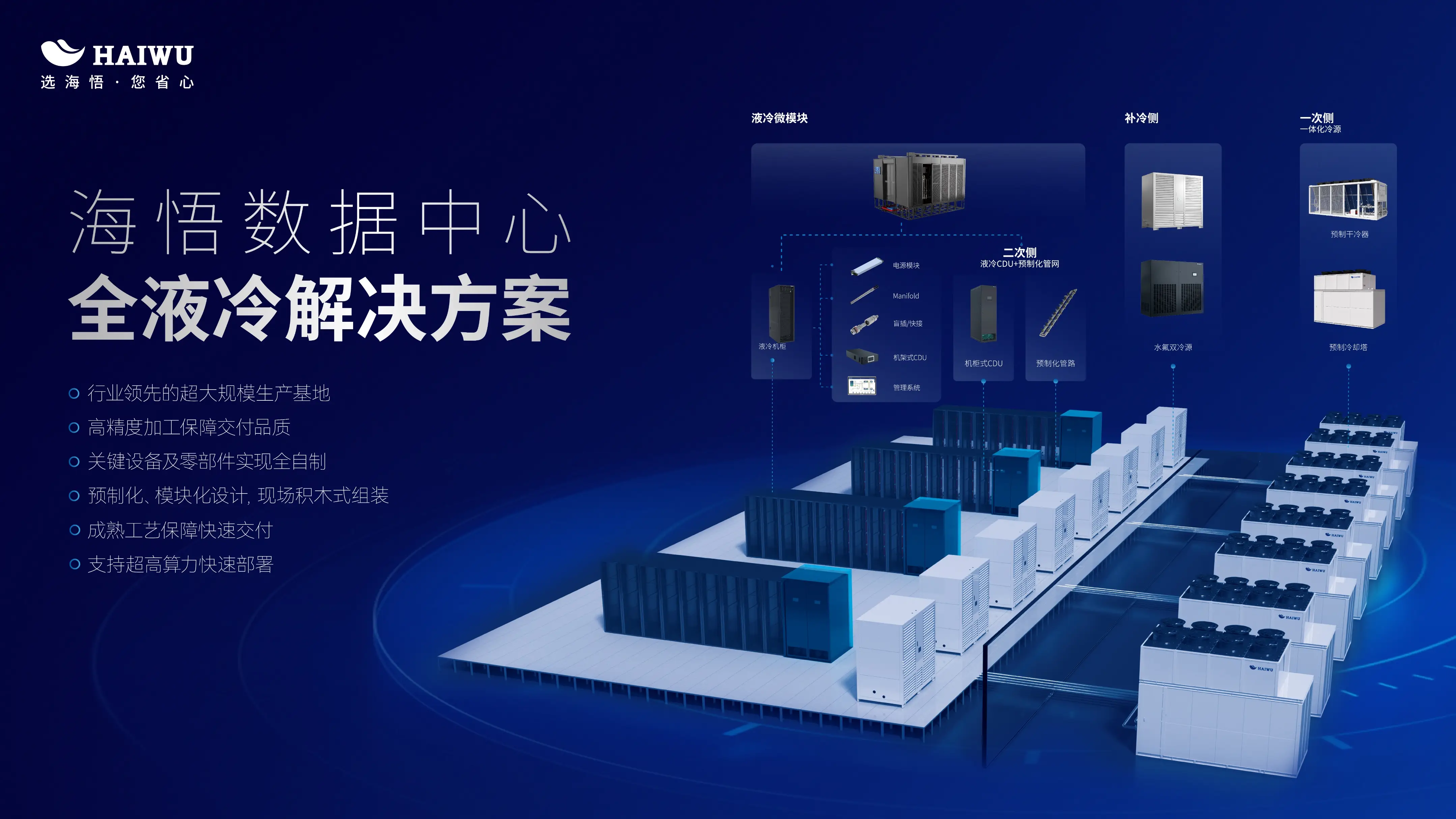
Data centers are the core application field for cooling fluids, and liquid cooling solutions are transitioning from "optional solutions" to "survival necessities" to meet stringent energy efficiency requirements [5]. Compared to air cooling, liquid cooling offers advantages such as better heat dissipation, lower energy consumption, reduced noise, and smaller footprint. The cooling fluid is the key medium in liquid cooling systems. Application forms mainly include immersion liquid cooling and cold plate liquid cooling, with immersion liquid cooling requiring more cooling fluid [1] [3].
Liquid cooling technology and cooling fluids are also applied in the thermal management of energy storage systems, where fluid pipelines are used to connect battery modules with cooling circuits [5].
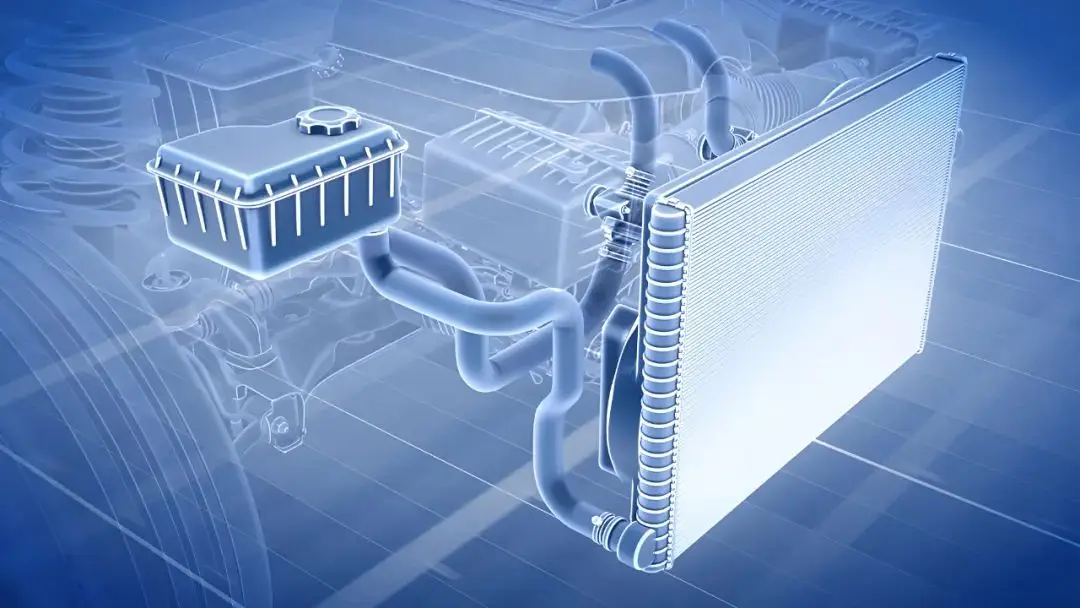
The industry chain for cooling fluids includes the cooling fluid itself and its supporting components such as pipelines [5].
Features
- Good insulation properties
- Non-flammable
- Chemically stable
Applications
- The industrial chain in which coolant is located includes the coolant itself and its supporting components such as pipelines.